Editorial direction · X Articles
The open
session.
An English-first publication from the proposed Montana Memory Lab. Each issue starts with one decision from the studio. Each ends with something a reader can try.
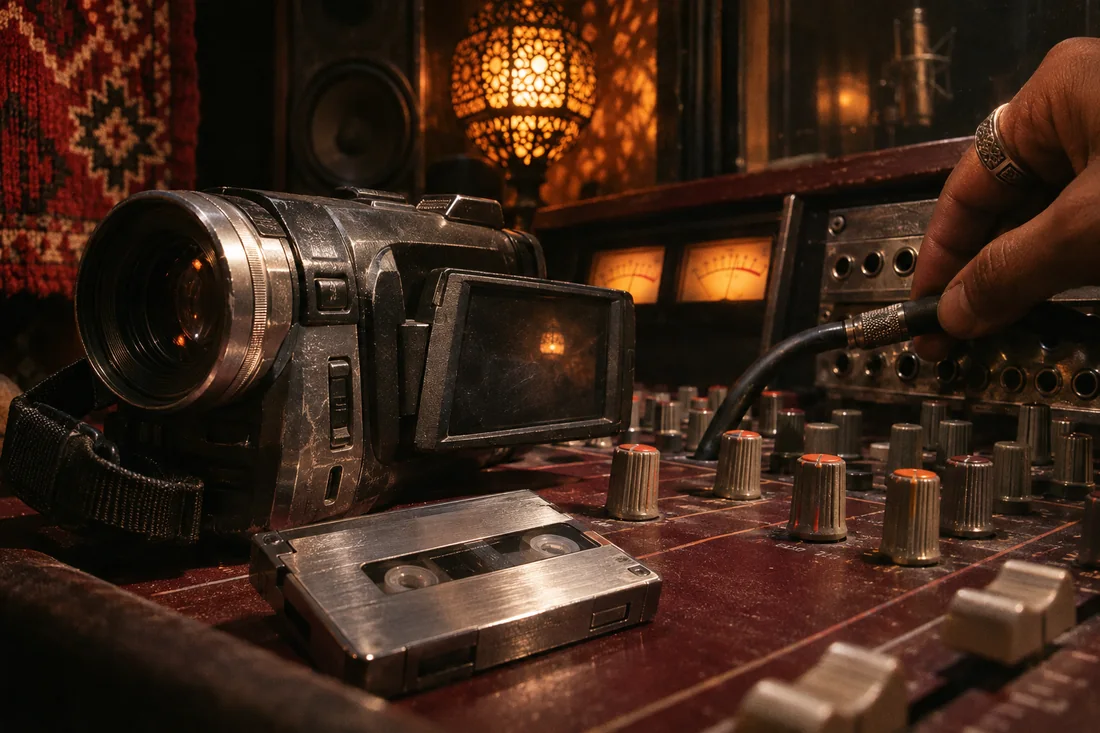
An opening for the first X Article
What the room keeps
Editorial sample · written for this proposal · no artist quotation
A kick drum can tell you how far away the walls are. Play the first take and the kit sits close enough to touch. Switch to the second and there’s a little air behind it. Same notes. Same tempo. A different room.
Listen before you look at the settings. On headphones, switch at the end of the second bar. Does the beat pull you closer, or do you want to hear more space around it? Pick a take. Write down the moment that made you choose.
That is the listening test for this issue. Below the player, the production note shows what changed. Try it with a friend who mixes records, then with somebody who just plays them in the car. Compare the words they use.
Editorial format
Publish one English X Article each week. Give it one argument, one comparison and one reproducible exercise. A Chinese edition on the project site carries the same evidence, audio and credits. Native Articles require an eligible X account. If access is pending, publish the essay on this site and link it from a short X post.
Four weeks at the desk
Proposed commissioning calendar. Artist commentary comes from a recorded, approved conversation. Until that session happens, use a clearly credited studio byline.
How big is the room in this beat?
Two original drum mixes. Ask readers for a timecode. Close the issue with the before-and-after levels and room settings.
Eight seconds in a place you remember
A human-shot source plate and a MiniMax H3 shot test. Explain the camera move, show the failed frame and invite readers to change one variable.
A chorus built around a street name
Interview a local collaborator about one place they know. Publish the discarded line, the revision, the collaborator’s preferred spelling and the reason for the change.
Can a fictional archivist keep a promise?
Screen two short WAVE-0 scenes. Let readers choose the missing object for the next episode. Publish the decision and credit the winning contributor with permission.
A reproducible H3 camera exercise
One shot, two versions
Make an eight-second B-roll study from a photo you shot yourself. Test whether a single camera movement helps a listener notice a detail. Reserve one still, one original four-bar instrumental and a simple video editor.
Lock the frame
Photograph a cassette by a window. Keep people and logos out. Record the camera position, an eight-second duration and the intended aspect ratio.
Generate the pair
In an H3 interface with image reference, attach the same photo twice in separate runs. Keep the same settings wherever the interface permits. Change only the final camera instruction in the prompt below.
Cut to the beat
Mute both generated soundtracks. Place the same cleared four bars under each clip. If the beat was produced in Suno Studio, Export → Selected Time Range gives the excerpt; Multitrack gives separate tracks for a DAW. Align the first downbeat in both cuts.
Listen and compare
Watch each cut once with sound and once muted. Score object continuity, unintended camera motion and which frame calls attention to the snare. Record a timecode for each failure. Keep both takes and the exact prompt.
Reference: the uploaded cassette photograph. Eight seconds, one uninterrupted shot, 16:9. Preserve the shape of the cassette, window light and desk surface. Camera A: locked off. For B, replace the last sentence with: The camera makes a slow, straight push toward the left reel.
MiniMax describes H3 as a multimodal audio/video model. Hailuo is a separate product surface; check the model label on the creation screen. MiniMax Music and Speech are separate families. This exercise uses H3 for picture and a cleared audio track for sound.
Download the bilingual session worksheetFrom article to workstation
An issue has done its job when a reader can repeat the decision on something they made. The live listening room already compares two original demo mixes and exports a note. The proposed next version lets a producer load their own pair locally, align the downbeat, match playback level and mark a timecode.
Input
Two comparable takes and a sentence describing the creative question.
Review
Hide the version history, switch at the same bar, then write one observation before seeing the processing notes.
Handoff
Export a timestamped verdict, the reason and the next edit. The Take Review Skill gives another producer the same review procedure.
A character with a job
WAVE-0 · original character pilot proposal
WAVE-0 is a proposed fictional tape archivist. Its job: recover one unfinished recording per episode and put one editorial decision to a human guest. Give it a portable tape deck, a restrained silhouette and original caption cards. Commission a performer if speech is required.
What the market evidence supports
Stage Zero presents TaTa as an AI artist. PLAVE’s official discography shows recurring virtual-artist releases and a credited collaboration with milet. These are different production models. They support testing character continuity and collaborations; they cannot predict audience size or paid demand for WAVE-0. Stage Zero / PLAVE
Commission a two-episode pilot
Episode one finds a rehearsal tape with a missing ending. Episode two opens with the object readers chose and names its contributor if agreed. Use the same character sheet, camera rule and sound motif. Keep a public credits card for design, performance, music, model and editorial lead.
What earns a second month?
X editorial
Record impressions, replies containing listening timecodes and tagged link visits. Compare each issue with the account’s own recent long-form baseline.
Workbench
Count both-take completions per session start and optional note exports per completion. Test local-file use with five invited producers and interview them about where they stopped.
Character
Invite pilot viewers to describe WAVE-0’s job without prompts. Track how many return for episode two. Commission a third only after a recall check and a collaboration debrief.
Release checklist
Before a public release, the producer clears recordings and references, the performer approves their credit and the editor records AI contributions. A guest’s voice, likeness or unpublished take needs specific permission for its intended use. Set territory, duration, permitted edits and removal contact in the asset record. Recheck platform and tool terms for that release.
Primary sources and production notes
Editorial research checked 23 November 2026. Product availability depends on account, region and plan.
内容策划 · X 长文
打开
录音室。
MONTANA MEMORY LAB 拟以英文 X 长文为主阵地。每期从一个真实的录音室决定写起,让读者带走一个可以亲手做的练习。
第一期 X 长文开篇
录音室里留下的那一版
本提案编辑样稿 · 非艺人引语
一记底鼓,能听出墙壁离你有多远。先听 A,鼓近得像伸手就能碰到。切到 B,鼓声后面多了一点空气。同一组音符,同一个速度,听起来却像换了一个房间。
先别看参数。戴上耳机,在第二小节结尾切换。你更想贴近鼓点,还是想给它留一点空间?选一版,记下让你做决定的那个瞬间。
这就是本期的审听练习。播放器下方有制作笔记,能看到究竟改了什么。让一个常混音的朋友试试,再找一个喜欢在车里听歌的人。留意他们描述同一段声音时用了什么词。
出版形式
每周一篇英文 X Article,只讲一个判断,放一组对照,给一个可复现练习。站内同步中文编译版,共用音轨、证据和署名。X 长文需要符合条件的账号权限;若暂未开通,先在本站刊登全文,再由 X 短帖引流。
首月四期选题
以下为拟议约稿。艺人观点来自经确认的录音访谈。采访前,以工作室作者名义发表制作实验。
这段鼓听起来在多大的房间里?
两种原创鼓混音,请读者回复决定选择的时间点。文末给出音量与空间参数的对照。
用八秒钟拍出一个熟悉的地方
对照实拍参考与 MiniMax H3 镜头,解释运镜,亮出一个失败帧,让读者只改一个变量。
把一条街的名字写进副歌
采访一位熟悉这条街的合作者,同时展示删掉的词、定稿、合作者认可的地名拼法与修改理由。
一位虚构的档案员能兑现承诺吗?
放映两段 WAVE-0 样片,请读者决定下集寻找哪件物件。公开采用结果,取得许可后署名。
可复现的 H3 摄像机练习
同一个镜头,两种拍法
从自己拍摄的照片出发,做一条八秒空镜,检验一次运镜能否让人留意某个细节。准备一张照片、一段原创四小节器乐和一个基础剪辑工具。
定好画面
在窗边拍下一盒磁带,避开人物和商标。记下摄影机位置、八秒时长和画幅。
生成两个版本
在支持图像参考的 H3 界面分别上传同一张图。在界面允许的范围内保持参数一致,只改提示词最后一句运镜要求。
对准节拍
将生成的视频静音,两版配上同一段权利明确的四小节音轨。若在 Suno Studio 制作,可用 Export → Selected Time Range 导出片段,或用 Multitrack 导出分轨到 DAW。把两版首个重拍对齐。
做一次审片
分别有声、静音各看一次。评价物件是否连续、是否出现意外运镜、哪个画面让你留意到军鼓。标出出错时间,保留两个版本和完整提示词。
参考上传的磁带照片。八秒,一镜到底,16:9。保留磁带外形、窗边光线与桌面材质。A 版摄影机固定。生成 B 版时,只把最后一句替换为:摄影机沿直线缓缓推向左侧卷轴。
MiniMax 官方把 H3 定义为多模态音视频模型。海螺是产品入口之一,使用时核对界面标示的具体型号。MiniMax Music 和 Speech 属于独立产品系列。本练习用 H3 生成画面,声音另配权利明确的录音。
下载中英双语创作工作单从长文走进工作台
理想的读者动作,是拿自己的作品再做一次判断。现有试听台可切换两版原创小样并导出笔记。拟议下一版支持制作人在浏览器本地导入两版录音,对齐首拍、校平响度并标记时间点。
输入
两版可比的小样,以及一句想解决的创作问题。
审听
先隐藏版本历史,在同一小节切换。写下一条观察,再展开处理说明。
交接
导出带时间点的决定、理由和下一步修改。另一位制作人可以按 Take Review Skill 复现审听过程。
让虚拟角色有一份工作
WAVE-0 · 原创角色试播提案
WAVE-0 是提案中的虚构磁带档案员。它每集找回一段未完成的录音,把一个编辑决定交给真人嘉宾。造型保留随身录音机、简洁的轮廓和原创字幕卡。若需对白,则邀请表演者配音。
案例能说明什么
Stage Zero 将 TaTa 定位为 AI 艺人。PLAVE 的官方唱片目录则显示了稳定的虚拟艺人发行节奏和与 milet 的具名合作。两者制作模式不同,可以启发我们验证角色连续性和跨艺人合作;WAVE-0 的受众规模与付费需求仍须单独测试。 Stage Zero / PLAVE
试播两集
第一集出现一盒缺少结尾的排练录音。第二集开场展示读者选中的物件,经同意后为投稿人署名。两集共用人物设定、镜头规则与声音动机。每集公开设计、表演、音乐、模型及主编署名。
什么结果值得续订?
X 长文
记录曝光、附有具体试听时间点的回复和带来源标记的站外点击。与账号近期开过的同类长文比较。
创作工作台
记录听完两版的会话占比,以及完成试听后自愿导出笔记的占比。邀五位制作人带自己的录音测试,访谈他们在哪一步停下。
虚拟角色
请试播观众不看提示复述 WAVE-0 的工作,并观察第二集回访。角色识别与合作复盘都完成后,再决定是否续拍。
发布前的权利核对
制作人复核录音与参考素材,表演者确认署名,编辑记录 AI 的具体分工。嘉宾的声音、肖像或未发行录音应取得与本次用途匹配的许可。在素材记录中写明地域、期限、可修改范围及下架联系人,并在发布时核对平台和工具条款。
一手资料与制作说明
资料核对日期为 2026 年 11 月 23 日。具体功能取决于账号、地区和方案。